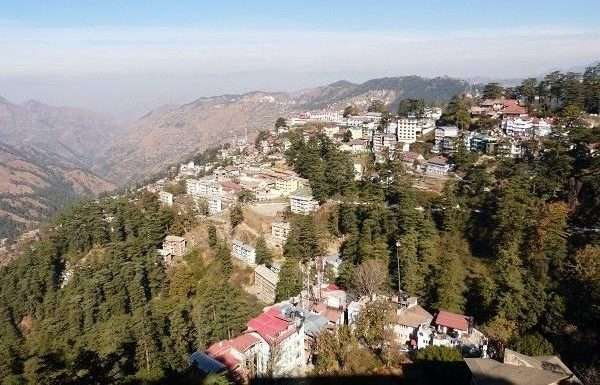
Shimla
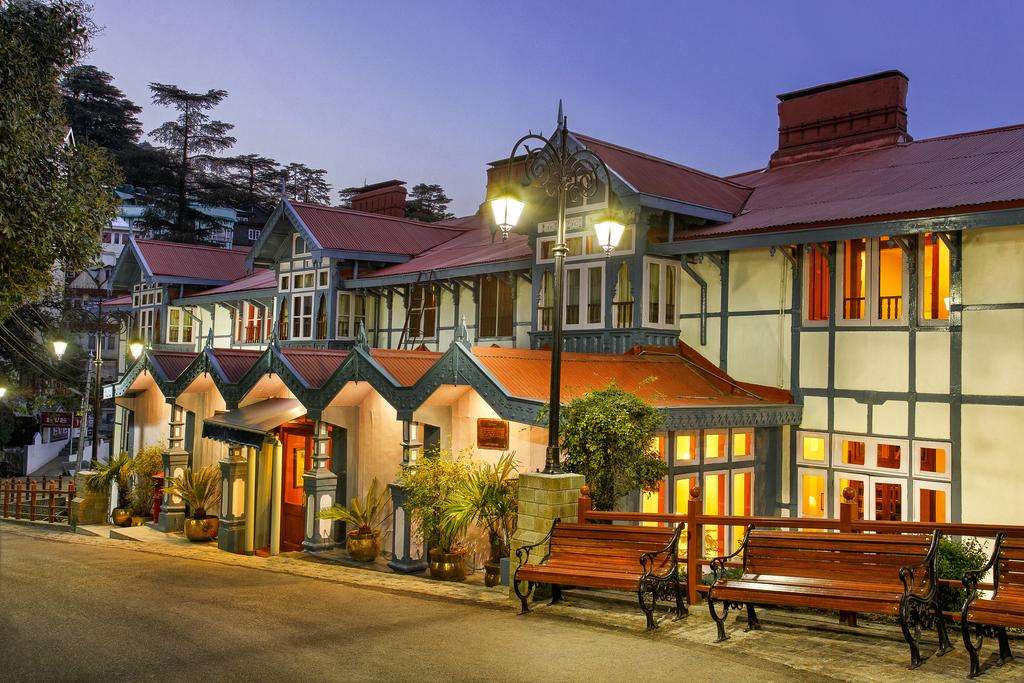
Swathed by cedar, rhododendron, fir and Himalayan oak trees, the state capital of Himachal Pradesh is one of the most popular hill stations of India. Basking in the grandeur of the British era with obvious influences in its architecture, Shimla charmed the British colonisers of the 19th century so much that they elevated the small township into the summer capital of an empire sprawling the sub-continent.
In its heyday Shimla attracted princes, merchants, diplomats and political leaders from Afghanistan, Tibet, China, Myanmar and other countries. Several heritage buildings in the city are witness to historical moments that have shaped the history of south Asia.
Leaders of the freedom movement led by Mahatma Gandhi, Pandit Nehru, Sardar Patel, Maulana Azad, C. Rajagopalachari and others frequently visited Shimla in their struggle to gain independence from British rule. Hard contested deliberations over the partition of India and Pakistan at Viceregal Lodge, now the Indian Institute of Advanced Studies, between the resident Viceroy and leaders of the freedom struggle finally won the country its Independence on 15th August, 1947.
Highlights
Gaiety Theatre
↓
↑
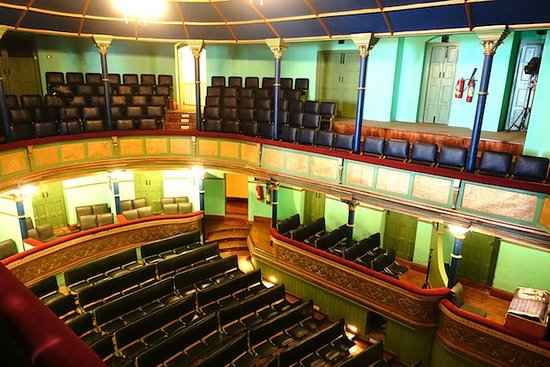
Lovingly restored between 2004 and 2009 and hoping for Unesco status, this remarkable 320-seater theatre opened in 1877, originally as part of a bigger grandiose civic centre. It’s long been a focus of Shimla social life, and Rudyard Kipling, Baden-Powell, Shashi Kapoor and Michael Palin are among those who have trodden its Burmese teak boards. Entry is fee and a guide will explain the history behind this Shimla icon.
Heritage Walk
↓
↑
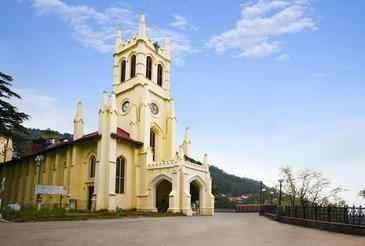
Many of Shimla’s famous landmarks can be seen during a guided Heritage Walk. This includes the State Museum and Library, Viceregal Lodge (now the Indian Institute of Advanced Studies) which was built in 1888 for Lord Dufferien in Elizabethan style, Christ Church built in 1844 on the open area of the ridge, Gaiety Theatre which opened on May 1887, Vidhan Sabha (the legislative assembly) and scandal point. End the walk around the colourful Mall.
Jakhu Temple
↓
↑
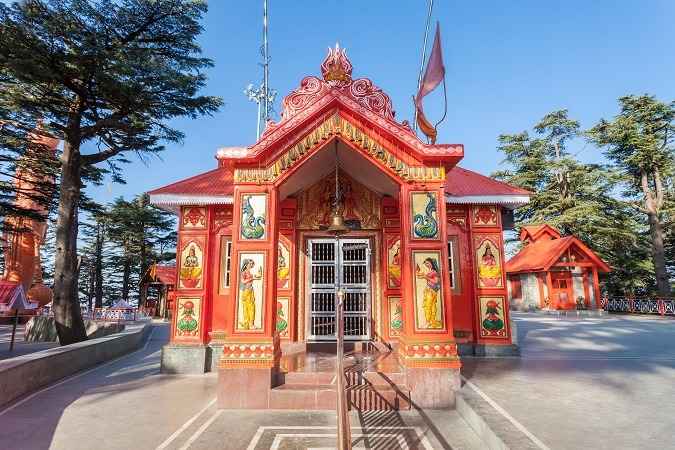
The hike up to Jakhu, or “Monkee cloud gaty”, Temple is something of a tradition in Shimla. The top of the hill (2455m) on which it stands offers a superb panorama of the Himalayas – particularly breathtaking before the cloud gathers later in the day. The path starts just left of Christ Church and the steep climb takes 30-45 minutes. The temple itself, a red-and-yellow-brick affair crammed with fairy lights and tinsel, comes as something of an anticlimax, although the new 30m-tall orange concrete statue of Hanuman is an impressive sight. The shrine inside houses what are believed to be the footprints of Hanuman himself. Watch out for the troupes of monkeys around the temple. Pampered by generations of pilgrims and tourists, they have become real pests; hang on to your bag and don’t flash food.

Nature Walks
↓
↑
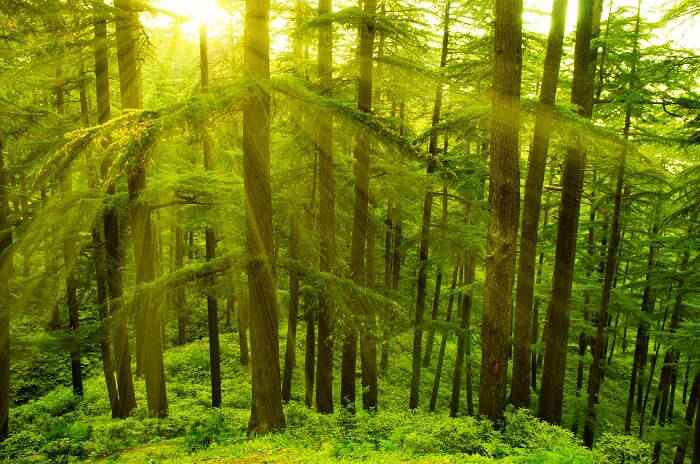
There are many interesting short hikes from Shimla that take you through the pine forests in and around the city. Some of the beautiful trails lead you to the Glen, Summer Hill, Prospect Hill, Chadwick Falls and the Kamna Devi Temple. This is also a good opportunity for bird watching and we can arrange a picnic to be taken with you.
The Mall
↓
↑
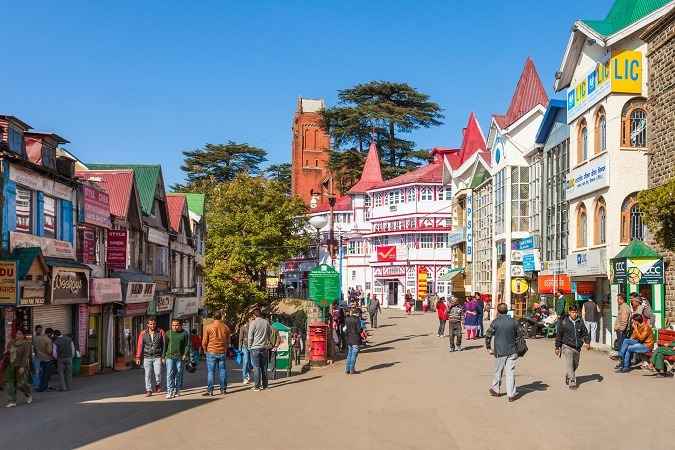
The Mall is the main street of the hill station. Running parallel but lower to The Ridge, this shopping area is dotted with modern day showrooms, departmental stores and hip restaurants. The front side of Gaiety Theatre and Town Hall buildings are on this street. Himachal Emporium at the west end of the arcade sells locally made handicrafts and handloom products. Scandal Point, the place where The Ridge and The Mall converge, is a good place to catch up with the day’s news and gossip.
The Ridge
↓
↑
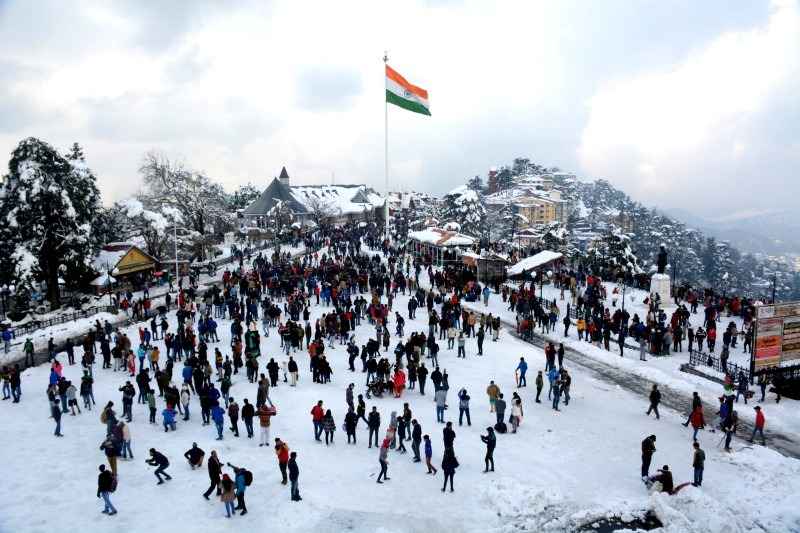
The large open space that runs east to west alongside The Mall Road is the cultural hub of the city. On a clear day, the views of the snow peaks of the Himalayan ranges to the north are spectacular. The neo-gothic towering architecture of Christ Church, the state library, the statue of Mahatma Gandhi, Gaiety Theater and the Town Hall are important landmarks on The Ridge. An underground reservoir build in the 1880s is still one of the major storage for meeting the cities everyday water needs.
Toy Train
↓
↑
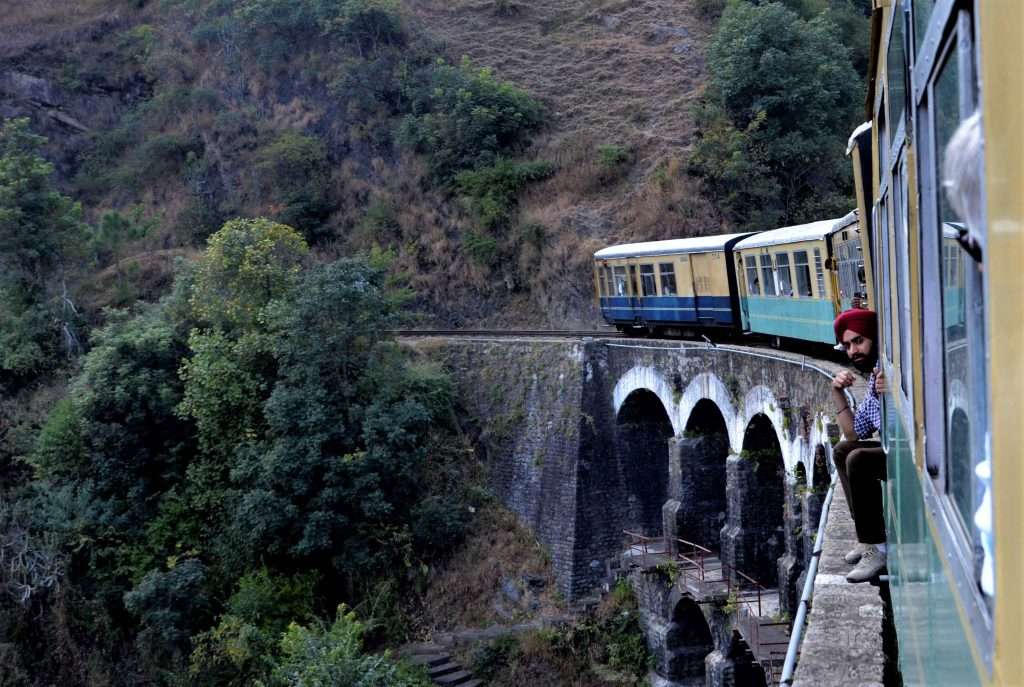
The UNESCO World Heritage Kalka-Shimla toy train was built by the British in 1903 to provide access to their summer capital of Shimla. It is one of the most scenic train journeys in India. The captivating train route runs for 96 kilometers (60 miles) though 20 railway stations, 103 tunnels, 800 bridges, and an incredible 900 curves. It takes 5-6 hours for the journey from Shimla to Kalka although some people opt to leave the train at Kandaghat and continue to Kalka by car.
Viceregal Lodge
↓
↑
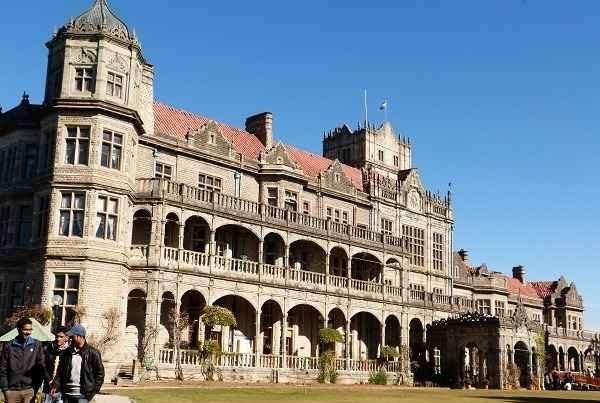
When completed in 1888, the Viceregal Lodge was one of the most flamboyant and one of the first electric buildings of India. Built by architect Henry Irwin, the overall appearance of the imposing structure is that of a Scottish castle. Much history has unfolded in this building and one room still retains the table where the boundaries of Pakistan were cut out from India. After Independence the building became a part of the Presidential Estate and was subsequently donated by President S Radhakrishnan for promoting higher education. It now houses the Indian Institute of Advanced Studies. Parts of the Lodge are open to visitors.Hotels
Discover the wonderful variety of places to stay in India; including some of the most luxurious hotels in the world, intimate boutique hotels bursting with local character, charming homestays where you’ll have a chance to interact with local families, converted forts & palaces, fabulous lodges and heritage havelis.
Tours
Below are a selection of our favourite sample itineraries that we have created based on our experiences of travelling extensively throughout India. As with all our tours, every aspect can be tailor-made to your individual requirements.