
Tribes
Papua has over 250 tribes, each with their own language and it is believed there are still tribes that are undiscovered. The Dani people are the most accessible group of tribes, other tribal villages require long treks lasting several days. Each tribe has different cultures, ceremonies and traditions as well as different attire. The tribes come together once a year in August for the Baliem Festival where they celebrate and create mock fights. Most tribal traditions have changed over the years due to missionary input, there used to be a lot of disputes amongst tribes, with cannibalism and beheading, however this no longer occurs. The village people are very welcoming and are happy to share with you their traditional way of living.
Highlights
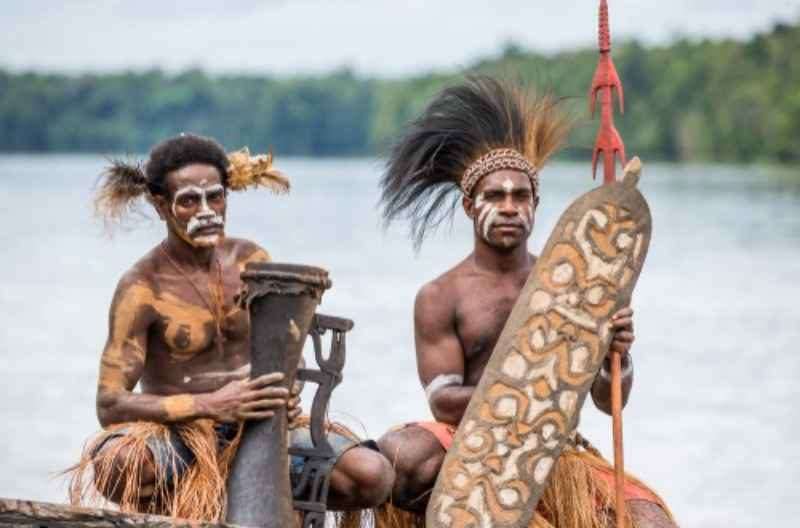
Asmat Tribe
↓
↑
The Asmat Tribe live on the south west coast by the Arafura Sea. The live within the Lorentz National Park. They are well known for their wood carvings which are highly sought after in the art industry worldwide. Due to flooding in the area, the tribes mainly travel by canoe. They were known as head hunters, as they would collect the heads of their enemies in the past. Visitors can stay in the village longhouse to experience life with the tribes.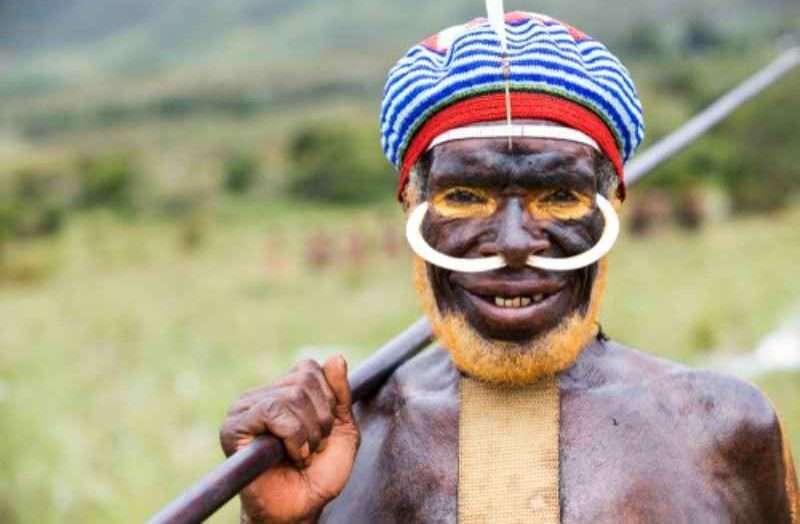
Dani People
↓
↑
The Dani are found in the western highlands and are a very large collection of smaller tribes. They are the most well known collection of tribes, as many tourists visit the Baliem Valley where they live. A large part of their diet is sweet potato, they also hold regular pig feasts, where they celebrate and dance as the pig cooks in an earth oven. Due to the amount of tourists in the area, these tribes now dress in more western clothing and use modern tools. They welcome visitors to the villages to learn about their way of life.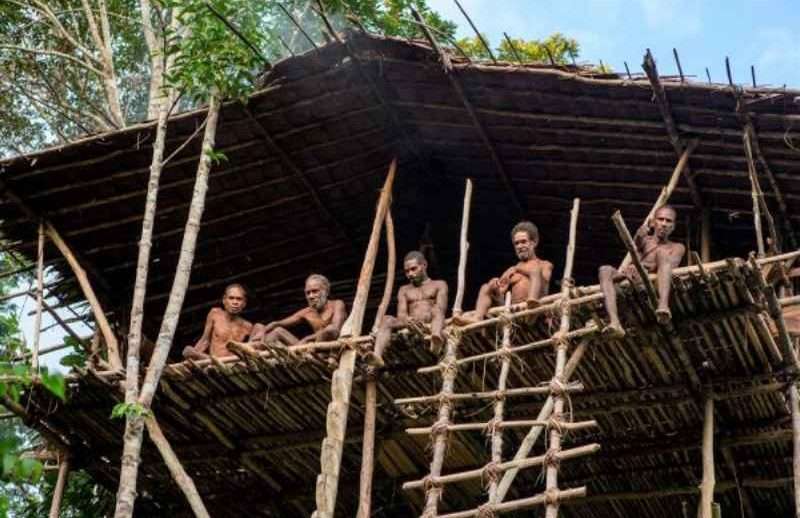
Kombai Tribe
↓
↑
The Kombai Tribe located in the south east of Papua. They live in large treehouses, which are guarded day and night by warriors with bow and arrow. The tree houses help them to defend themselves from attack by neighbouring tribes, as well as keeping them dry during floods. They live off the land and have no need to store food as the forest has so much to offer. Food is cooked on a large stone heated by a fire. This tribe still live very remotely and do not often have visitors.
Lani Tribe
↓
↑
The Lani Tribe live in the mountains to the north of the Dani people. They live in small round houses. The men wear very large koteka (sheaths) which they also use as a purse to carry their tobacco, the women wear grass skirts. They farm a lot of vegetables and tobacco for their village. Pigs are seen as a delicacy and only eaten as part of a celebration. There are less tourists in this area so it is a great place to trek, although it is a long walk to reach the village.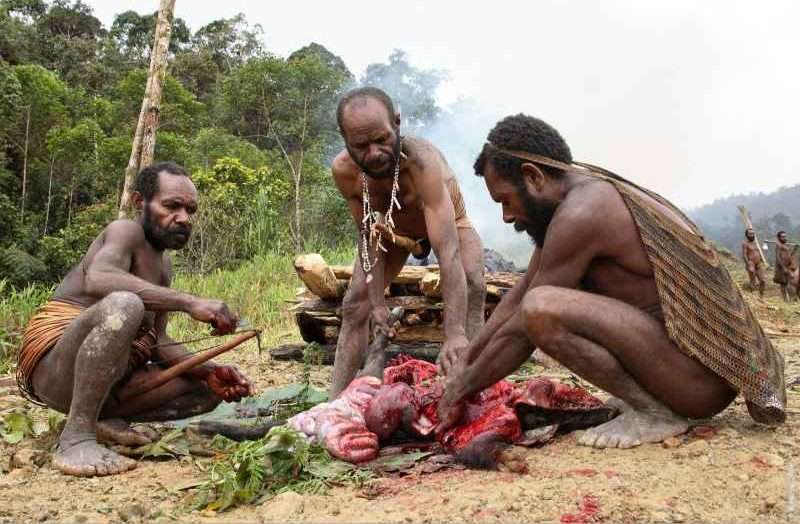
Yani Tribe
↓
↑
The Yali Tribe live to the east of the Dani people in the highlands. They live in small round huts, the men and women sleep in separate huts. The population are shorter than the Dani people, men wear a solid woven skirt that sits like a tire from just below the chest to the hips as well as a thin Koteka (sheath). They live off the land and eat a lot of sweet potato. The tribe welcomes visitors, however they are very difficult to reach, with a trek lasting several days each way being the only way to access the village.