Agra
Agra is home of the iconic and astonishingly beautiful Taj Mahal. Other highlights include Agra Fort and Fatehpur Sikri, a deserted Mughal kingdom located a short drive from Agra. All three of these Mughal-era buildings are UNESCO World Heritage sites.
Highlights
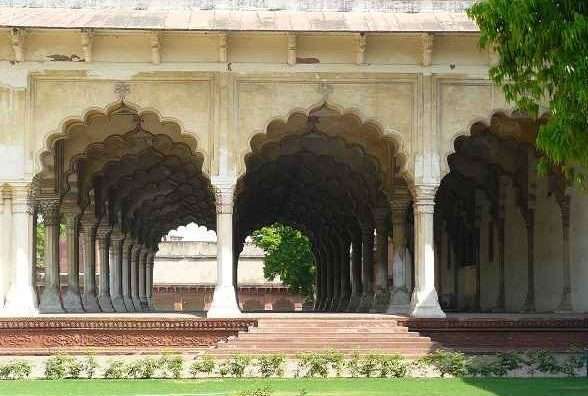
Agra Fort (Diwan-i-am)
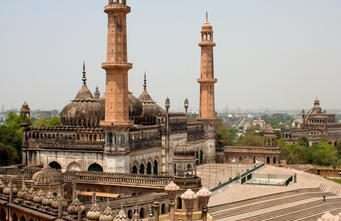
↓ ↑ The forbidding exteriors of this fort conceal an inner paradise: a fort on the outside, a palace on the inside. The fort is crescent-shaped, flattened on the east with a long, nearly straight wall, facing the river. The fort was the site of a battle during the Indian rebellion of 1857, which caused the end of the British East India Company’s rule in India, and led to a century of direct rule of India by Britain. There are many interesting buildings within the fort including Diwan I Am (Hall of Public Audience), seen in the image to the left, and the Jahangir Palace.
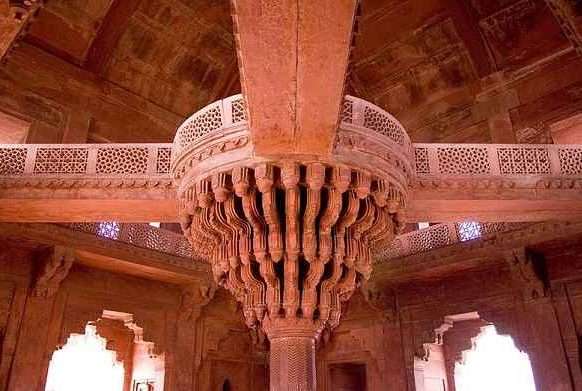
Fatehpur Sikri
↓ ↑ Today, much of the site, which is spread over a nearly two mile long and one mile wide area, is largely intact and resembles a ghost town. The city is built mainly of locally sourced red sandstone decorated with white and black marble. With its 55m high entrance gate, mosques, tombs, public buildings, Turkish baths, wonderful sandstone and marble carvings.
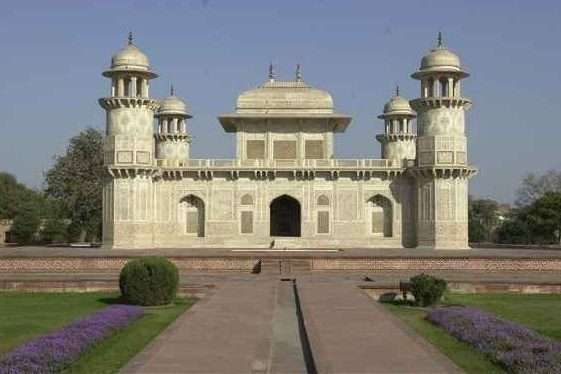
Itimad-ud-Daulah Tomb
Often described as a “jewel box”, sometimes called the “Baby Taj”, the tomb of Itimad-ud-Daulah is often regarded as a draft of the Taj Mahal.
Along with the main building, the structure consists of numerous outbuildings and gardens.
The tomb, built between 1622 and 1628 represents a transition between the first phase of monumental Mughal architecture – primarily built from red sandstone with marble decorations, to its second phase, based on white marble and pietra dura inlay, most elegantly realised in the Taj Mahal.
Mughal Heritage Walk
This one kilometre long walk through the lively streets of the village, gives tourists a chance to see the culture and lifelstyle of the people of Agra and gain an insight into its Mughal history.
The walk starts in Kachchpura village and proceeds to Gyarah Sidi (or eleven steps), Humayun Mosque and the Mehtab Bagh (moonlight garden) which has lovely views of the Taj.
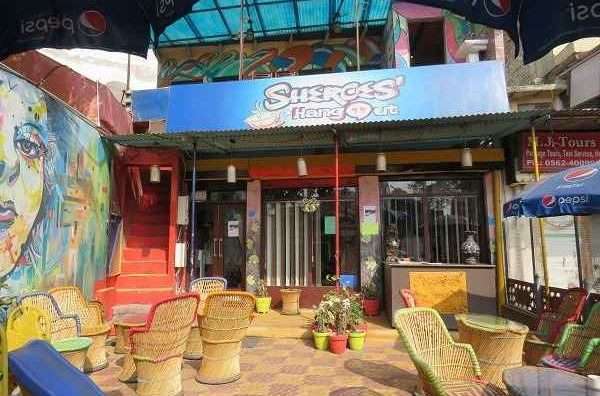
Sheroes Cafe
A great place to grab a snack and a drink whilst supporting a very worthy cause.
Sheroes Hangout is an initiative by Stop Acid Attacks campaign that was founded in New Delhi in 2013. This project is funded by a cafe, and consists of an activism workshop, a community radio hub, and an exhibition space. The courageous Sheroes are mostly women who have survived after chemical burns.
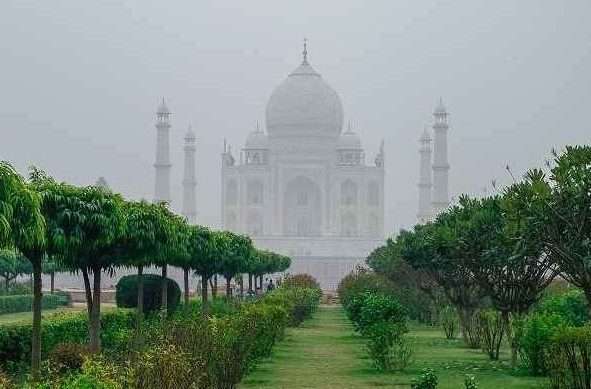
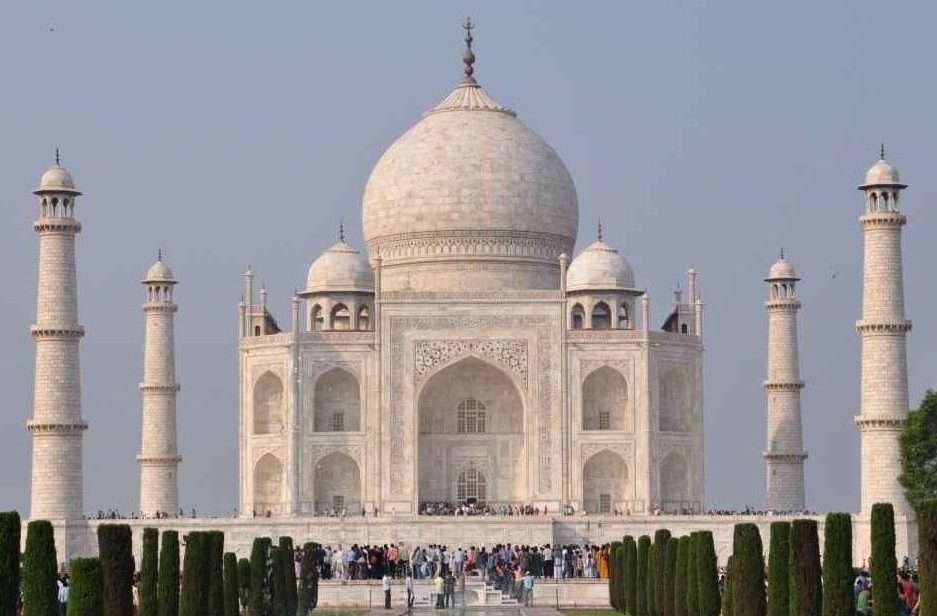
Taj Mahal
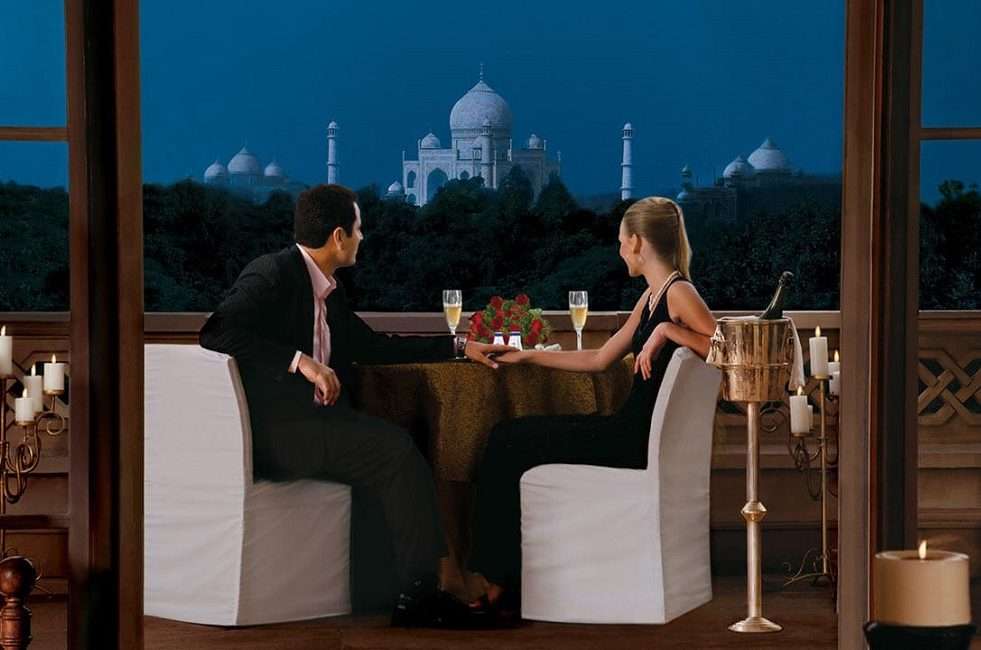
↓ ↑ Completed in 1653, the Taj Mahal was built by the Mughal king Shah Jahan as the final resting place for his beloved wife, Mumtaz Mahal. Finished in marble, it is perhaps India’s most fascinating and beautiful monument. This perfectly symmetrical monument took 22 years (1630–1652) and 20,000 workers, masons and jewellers to build, and is set amidst landscaped gardens. When you visit the Taj Mahal, because of its reputation, you naturally have high expectations. However, I was still blown away by what I saw, and on many levels. The building is so beautiful.

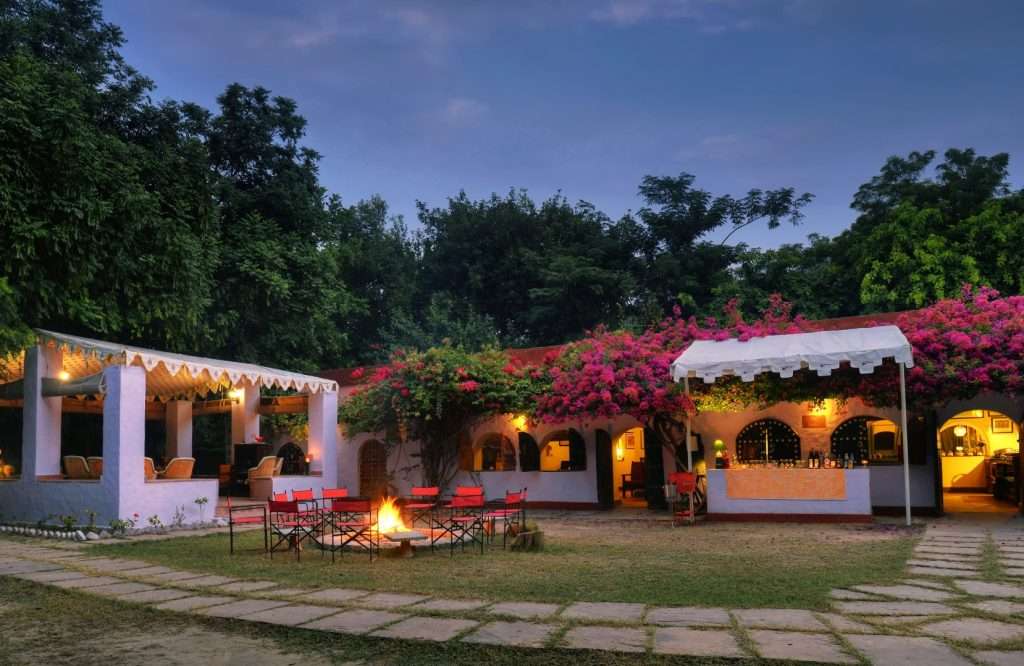
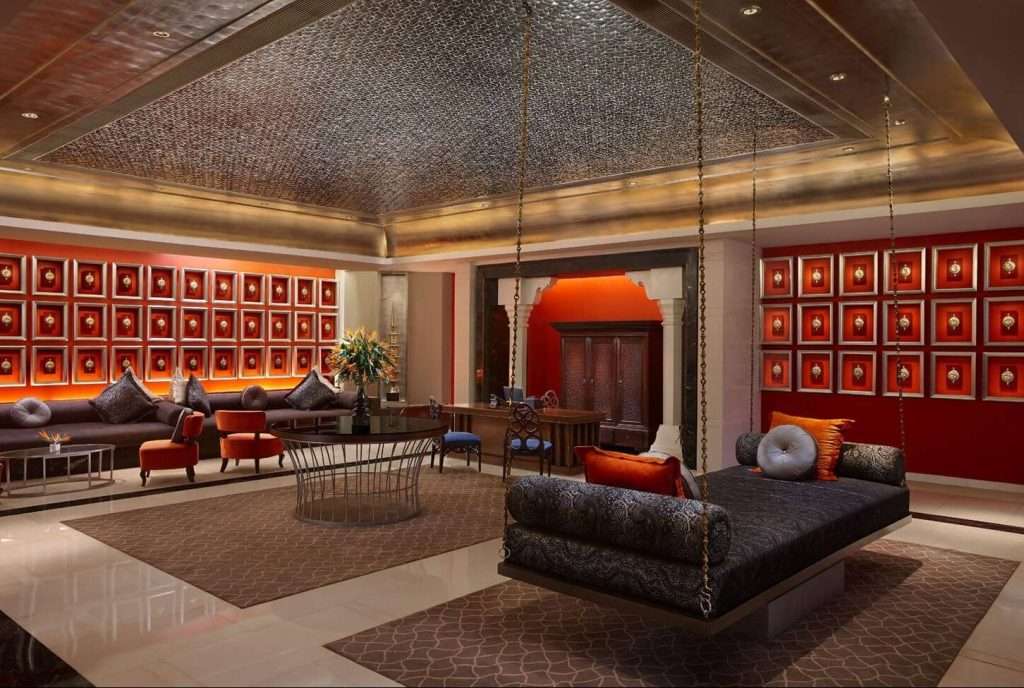
Agra Hotels
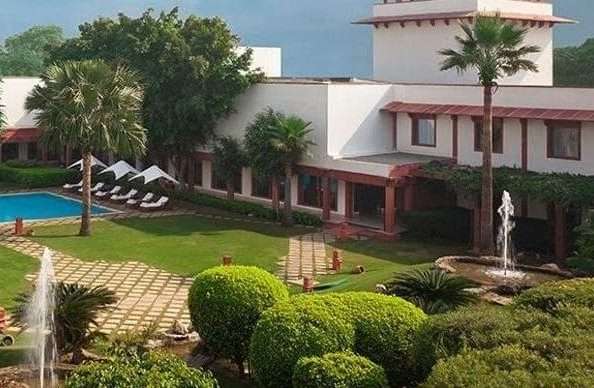
Discover the wonderful variety of places to stay in India; including some of the most luxurious hotels in the world, intimate boutique hotels bursting with local character, charming homestays where you’ll have a chance to interact with local families, converted forts & palaces, fabulous lodges and heritage havelis.
Agra Tours
Below are a selection of our favourite sample itineraries that we have created based on our experiences of travelling extensively throughout India. As with all our tours, every aspect can be tailor-made to your individual requirements.