Gwalior
Gwalior was founded in the 8th century by the chieftain Suraj Sen and named by him after the hermit saint Gwalipa. A succession of Pratiharas, Kachwahas and Tomars have left a legacy of wonderful palaces, temples and monuments.
The town is defined by the spectacular Gwalior fort, a brilliant specimen of medieval architecture.
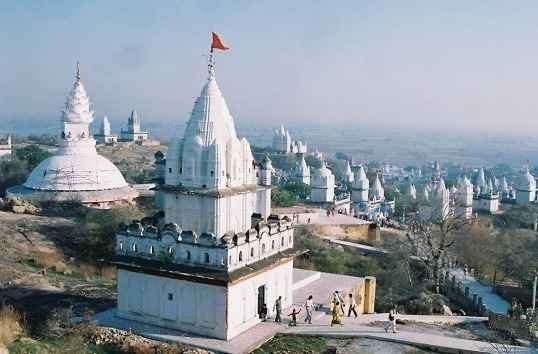
A short drive from Gwalior are the Cenotaphs at Shivpuri and a fascinating complex of 77 Jain temples at Sonagiri which are also worth a visit.
Highlights
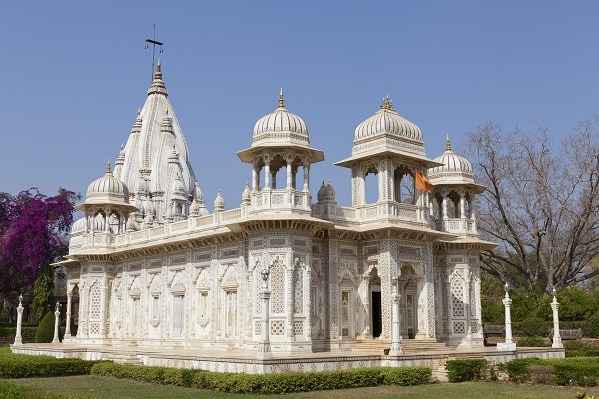
Cenotaphs at Shivpuri
↓
↑
Shivpuri was once a thickly forested region and a favourite hunting ground of the Mughals. Most of the elephants in Emperor Akbar’s army were taken from here. Today, the main attractions are the 19th centry cenotaphs of Madhavrao Scindia and his mother, which stand facing each other in a formal Mughal-style garden.
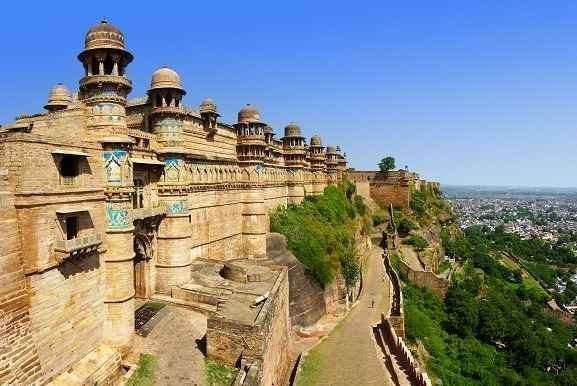
Gwalior Fort
↓
↑
The masive Gwalior fort streatches for nearly 2 miles on top of a 100m high hill. Its formidable bastioned walls, 10m high, enclose exquisite temples and palices, the most spectacular of which is the Man Mandir Palice. Built betwen 1486 and 1516 by Raja Man Singh, of the Tomar dynasty, this palace is regarded as one of the finest examples of Rajput secular architecture, embellished with some superb stone carving and latticework.

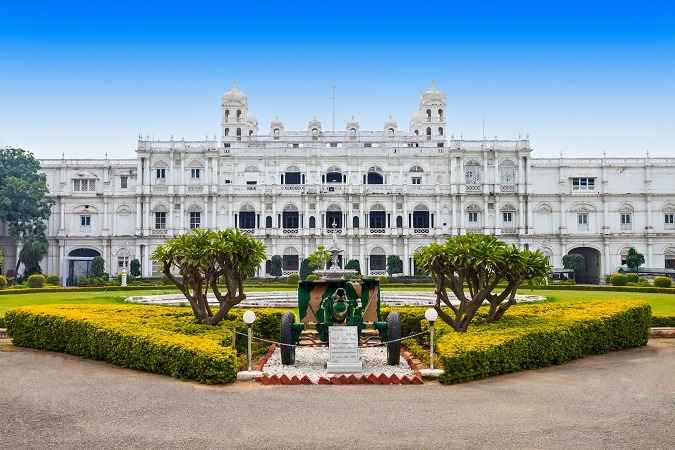
Jai Vilas Palace
Sonagiri Temples
Hotels
Discover the wonderful variety of places to stay in Gwalior; including some of the most luxurious hotels in the world, intimate boutique hotels bursting with local character, charming homestays where you’ll have a chance to interact with local families, converted forts & palaces, fabulous lodges and heritage havelis.
More to follow
Tours
Below are a selection of our favourite sample itineraries that we have created based on our experiences of travelling extensively throughout India. As with all our tours, every aspect can be tailor-made to your individual requirements.