Lombok Culture
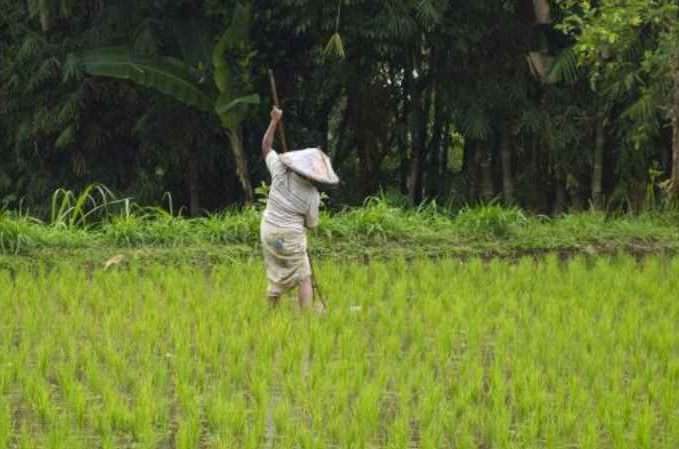
Lombok cultural experiences are not to be missed. It you would like a day away from the beaches then take a day trip to get a good understanding of local traditions and way of life. 85% of the population are Sasak people and their income comes from rice farming, cotton farming, weaving and tourism. The remaining population are Balinese. The history of Lomok is complex with a lot of unsettled times and famine. Tourism picked up in the 1980’s helping get Lombok back on its feet and competing with neighbouring Bali and Java. Lombok is filled with colour from the bright and beautiful sarongs to the bright blue oceans. We recommend a visit to Edne or Sade Village to see the amazing architecture, food and arts that each village has to offer.
Highlights
Pottery
↓
↑
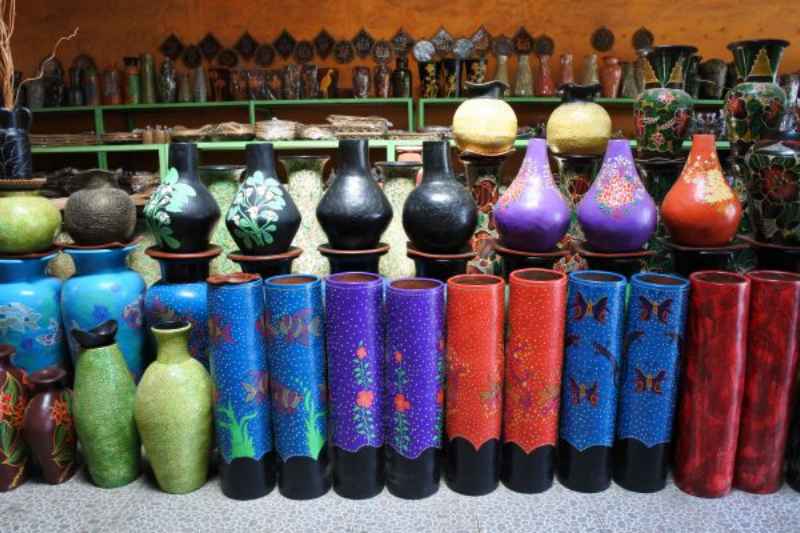
Pottery is created all around Lombok, with various different designs including small pottery animals. These are sold to help generate income for families, you can also join a pottery class and learn how they make the items.
Sasak People
↓
↑
The Sasak people originated from Java and Sumbawa and make up a population of 3.6 million people. 80% of the population are muslim, which is different to neighbouring Bali with its majority Hindu population. When Lombok was taken over there was an influx of populations from other Indonesian islands, which brought a mix of religions, buddism, hindu and muslim, the locals combined these to make Wetu Telu which means ‘three times’. This combined religion is still practiced in the north of Lombok.

Sasak Traditional Architecture
↓
↑
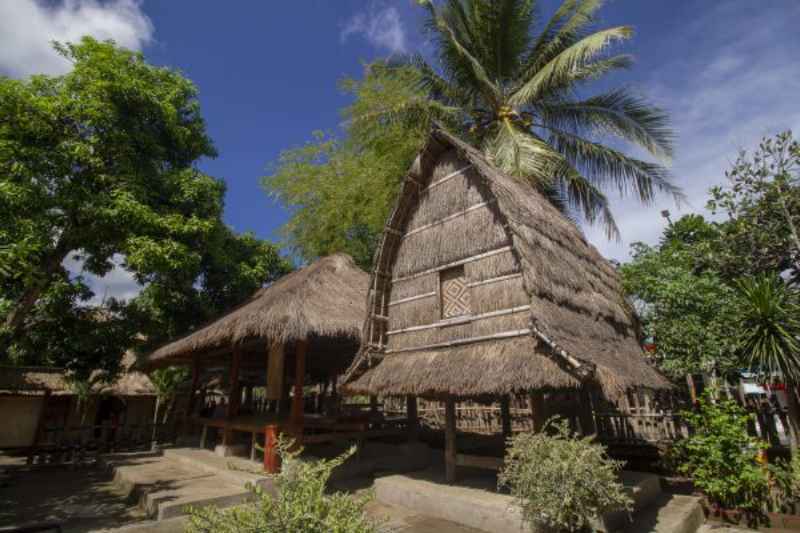
To see a traditional sasak village you can head to Ende or Sade Village. The houses are woven and covered in cow dung for protection which suprisingly does not smell when dry. The roofs are thatched. You will see high buildings, raised off the ground, like in the picture every so often. These are called Lumbung and are used to store rice and other food. These are still a working village’s, so respect must be paid to those that live there.
Weaving
↓
↑
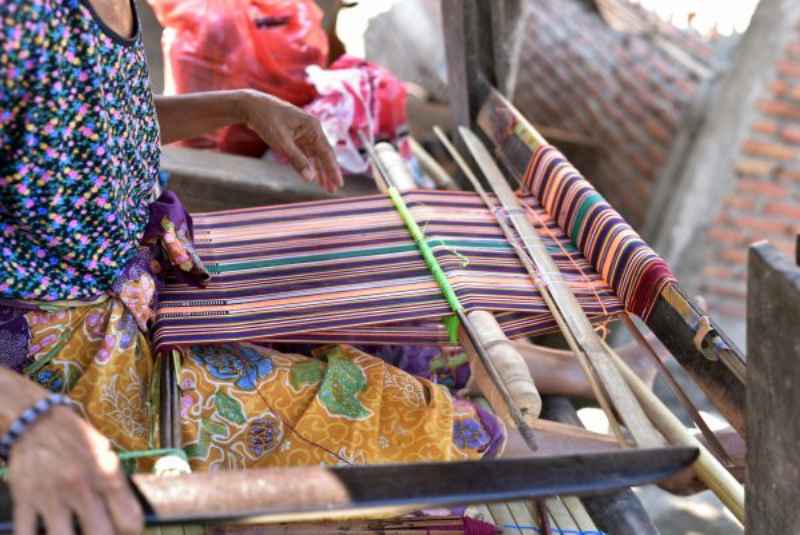
Weaving fabrics from Lombok are world famous and truly stunning in design, they are done by women from their home. Girls learn to weave at a young age and their skills ensure their eligability for marriage. The women sit for up to 8 hours a day with traditional hand looms. The designs are beautiful and the finished products can be scarfs, belts, shawls, bed throws and so much more. A trip to see this in action is worth doing and you can buy your own handmade product to take home.